









Honey is one of the things Portugal is famous for, with a host of different flavours and colours depending on the flowers the bees visit. Mel da Terra Quente is reputedly to be the best honey of Portugal, coming from the north east of the country, and is the result of centuries of tradition.
Most beekeepers in Portugal are ‘hobbyists’, with the more experienced ones probably having several hives to increase their odds of success, with most beekeepers estimating that 2-5 hives are optimal.
Invasion of the Killers
Unfortunately, there are killers in their midst - the Asian Hornets - a significant and spreading force, being unwelcome anywhere in Europe. But they are sweeping along, leaving a spread of devastation to honeybees as they go. They are here in Portugal already, and you should take care, as one sting might cause death due to an anaphylactic reaction in someone who is allergic to stings of any sort.
Hornets and Honey – the connection
They are connected, as the invasion of one is going to affect the production of the other. Asian Hornets are on the increase, and are something we should be worried about.
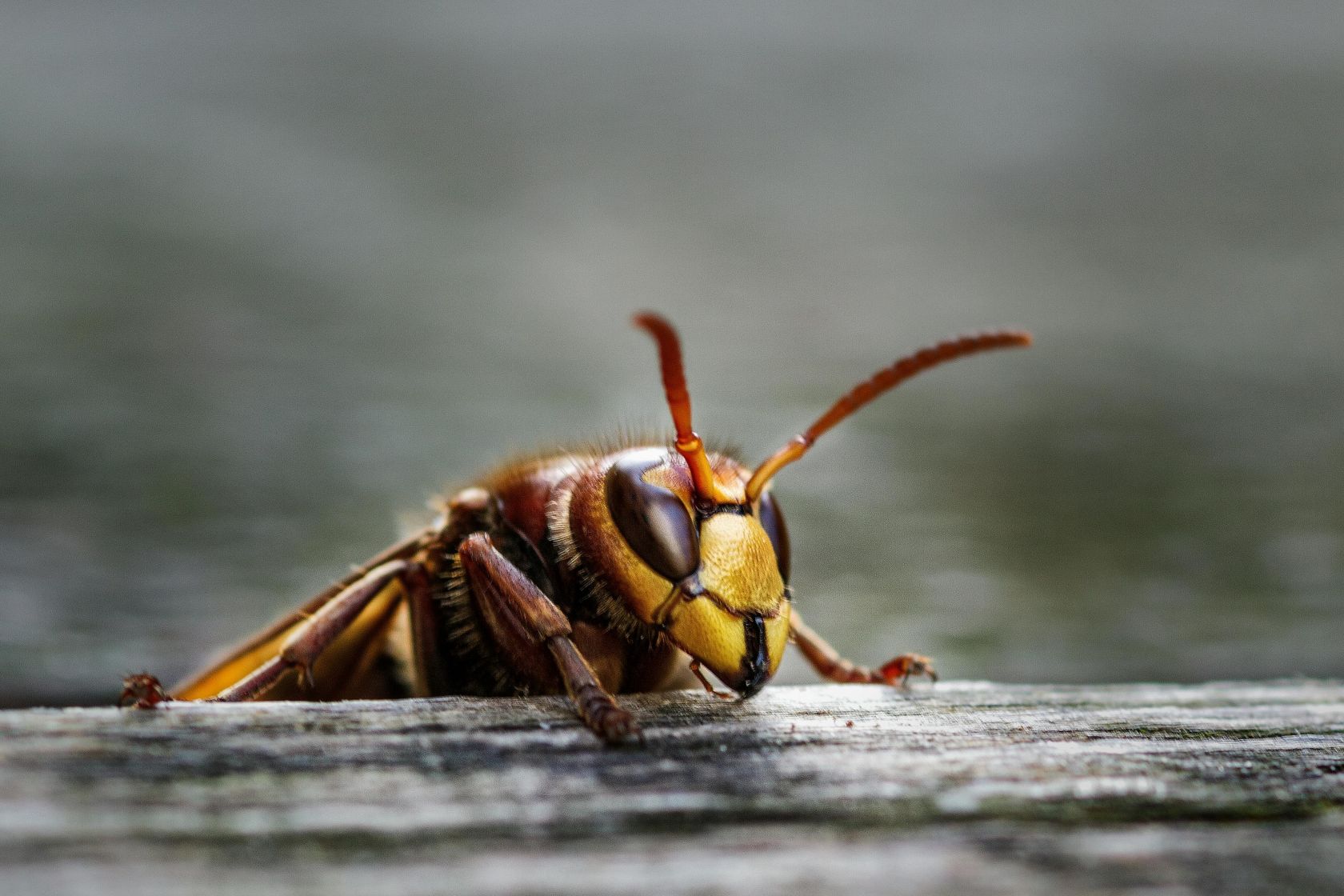
The Asian Hornet (Vespa velutina) is a giant in the insect world and is a vicious predator. It is believed that one queen Asian Hornet, having accidentally hitch-hiked to Bordeaux in 2004, could potentially have produced up to 500 new queens from her one nest. Twenty years on, France is home to an estimated 500,000 nests, and the hornets have moved into Spain, Portugal, Switzerland, Italy, Germany, Belgium, the Netherlands and even the UK.
This beastie is a hornet species indigenous to Southeast Asia, and due to their habit of hunting honeybees, honey producers are rightly worried about them invading bee colonies, not only affecting honey production but also affecting the pollination of the surrounding flora.
Form an orderly queue
Asian hornets have been widely observed lurking outside beehives, not exactly queueing up, but poised to pick off worker bees as they emerge – and apparently, one Asian Hornet is capable of killing and eating up to 50 honeybees a day. As few as 30 hornets can kill an entire colony of bees in just one hour.
Winged Stingers
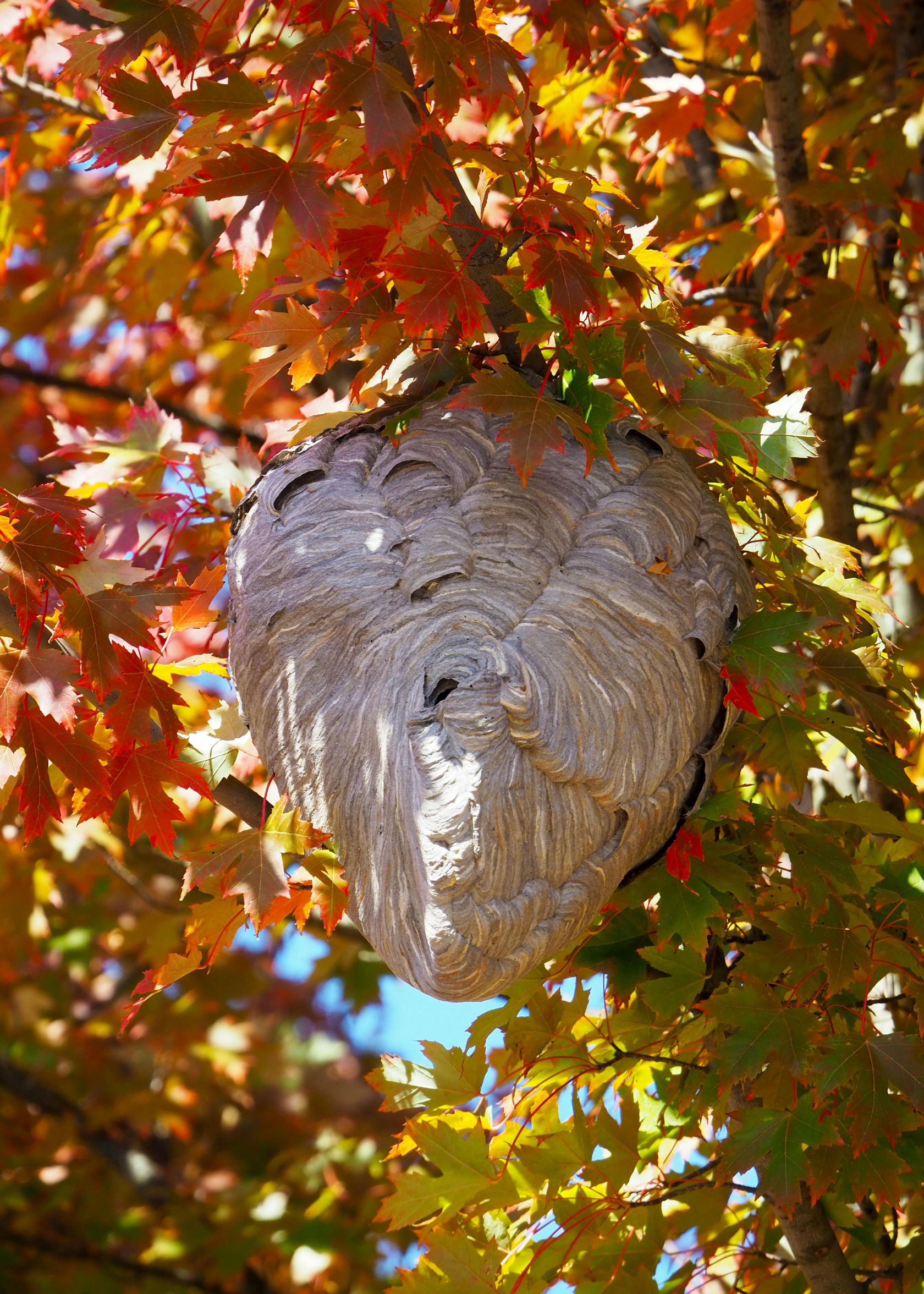
In Portugal, if you are unlucky enough to discover an Asian hornet or one of their huge nests, it is advisable to report it to the special association: https://stopvespa.icnf.pt/ and in many regions, you would be wise to contact local authorities or firefighters to remove the nest. Don’t try to knock it down and destroy it yourself - they will aggressively defend their nest if disturbed, so you could be putting yourself at risk of being stung.
If you are in any doubt, you can recognise an Asian hornet by the unusual orange head (seen from the front if you dare get that close!), abdomen almost entirely dark with fine yellow stripes and legs with yellow tips.