









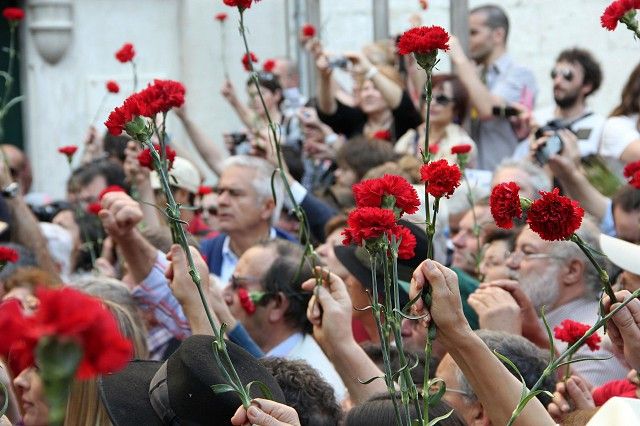
The dictatorial Estado Novo regime was overthrown, ending one of Europe’s longest-lasting dictatorships and marking the dawn of democracy in Portugal.
Carnations and Barrel Rifles
As a girl, Carol Wilson visited Spain, an experience that sparked a vast interest in what was going on in the rest of Europe. She was in Russia the year before Glasnost. She vividly remembers when the Berlin Wall came down, and she had friends who were raised in East Germany, “I felt so much for all the generations, my generation, who lived in these trapped societies and didn’t have the opportunities that we had. And through my lifetime, it’s just been amazing to watch all of these dictatorships fall and regimes and democracies gradually emerge all over.”
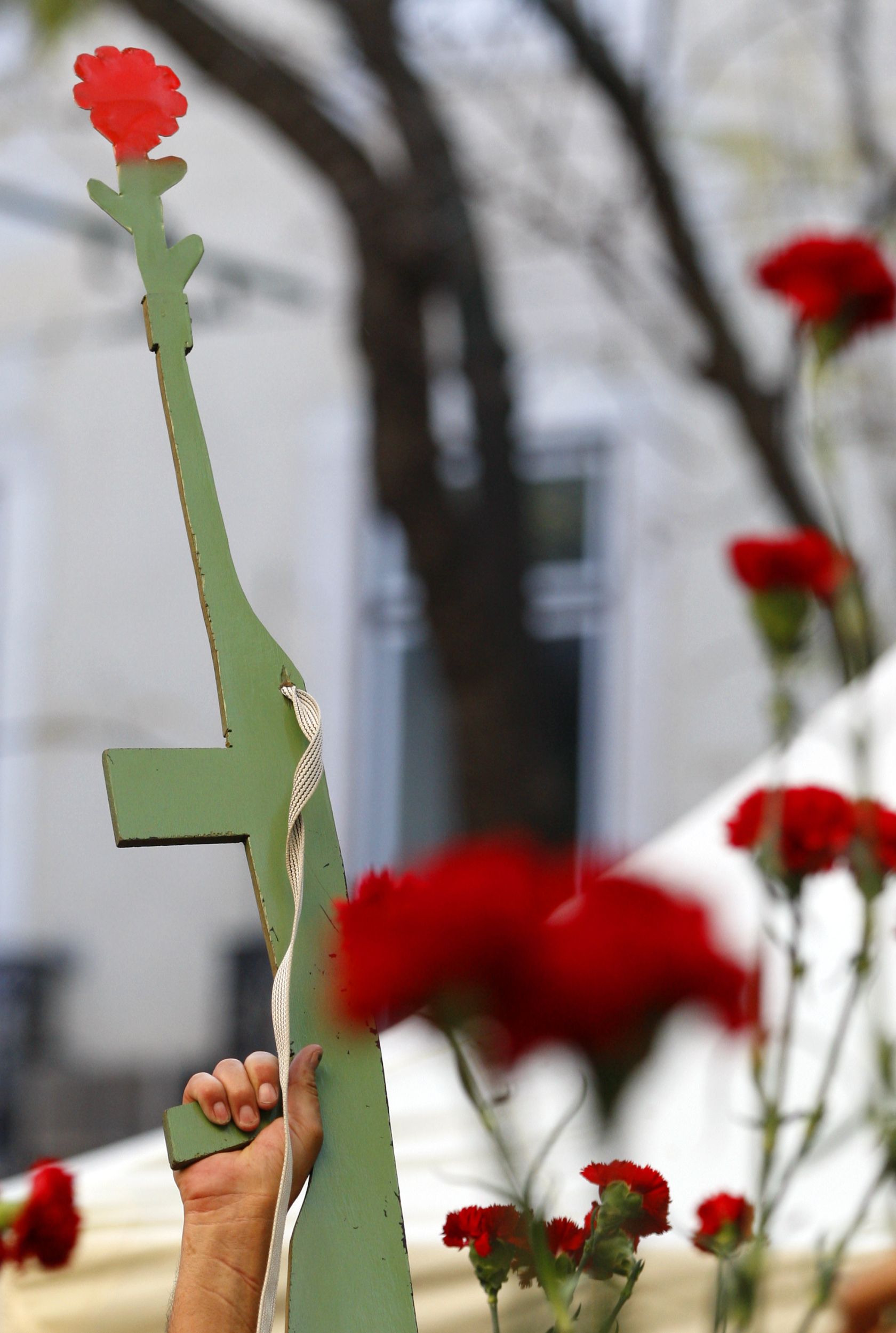
When Carol Wilson and her husband moved to Portugal, she was not familiar with the cause for celebrations on the 25th of April. Praised as an example of a peaceful coup, Wilson explains, “They call it the Carnation Revolution because there was no shooting. It’s an amazing story of this baby who handed a soldier a carnation, put it in the barrel of his rifle, and then the whole town started doing it.” During her research, Wilson recalls the images she found, “The revolution was brought about by the young soldiers, these achingly beautiful young men with floppy hair and no lines on their faces, and they’re smiling.” Wilson jokes they looked more like young men heading to a Beatles concert than leading a revolution.
Adversity and redemption
Carol Wilson is a pioneer in the world of coaching and business psychology, and her book is the fruit of decades of cultural, political, and human insight. Her wise understanding of human behaviour has given her a more nuanced look at the classic protagonist and antagonist characteristics, “If I’m writing a character who’s doing bad things, I’m not portraying them as a bad person. I’m portraying them as somebody who’s struggling with their own challenges.” She explains that, true for most writers, their characters are already a part of their own psyche. We all have characters sitting around our table inside, she says.
The message of Carnations in Lisbon is redemption, and that adversity will eventually work in our favour. As she explains it, “If people have fairly fortunate lives, they’ll jog through life and maybe not change much and not look inside much. But somebody who’s lost everything, mostly because of their own stupidity, they are sort of reborn.” Like the mythology of the Phoenix Rising, Wilson says.
The power of fiction
Asked if she thinks fiction plays a role in reminding us of the possibilities of non-violent revolutions, Wilson pensively replies, “I wish it would. We’re living in such violent times, aren’t we? I think one of the things about fiction is that it’s very much about talking instead of fighting. Somebody said jaw, jaw instead of war, war.”
Wilson believes that one of the biggest struggles facing today’s society is teaching people how to listen. She points out the irony in people never hearing what the other person is saying, because they themselves are too busy thinking about what they are going to say next. Her hope is that we will eventually have a generation of world leaders who listen.
As a reader, Wilson enjoys biographies and books about history, but as a writer, she prefers the lens of fiction. To her, it is more liberating than writing non-fiction: “When you’re writing fiction, you’re freeing up some time. You can go in any direction, and it’s changing things inside.” It’s like having a therapy session, she says.
Decades tell a different tale
Carol Wilson has got more books lined up; one of them is historical, and the other two are from a much younger woman’s perspective, her own, from when she was in her thirties. Being from a 30-something perspective, they are much more about relationships, “I think for most women, and for me in my thirties, it’s all about marriages, infidelity, will he ring, won’t he ring, emotions. For me, it was much more one-dimensional.” Comparing the evolution of themes during her lifetime, and where she stands today, she explains, “Now, I’m much more interested in what makes people tick than what they’re feeling and who they’re having an affair with. I want to know how they’re making their decisions and what the knock-on effects of those decisions are. I suppose it’s less emotional and more psychological now.”
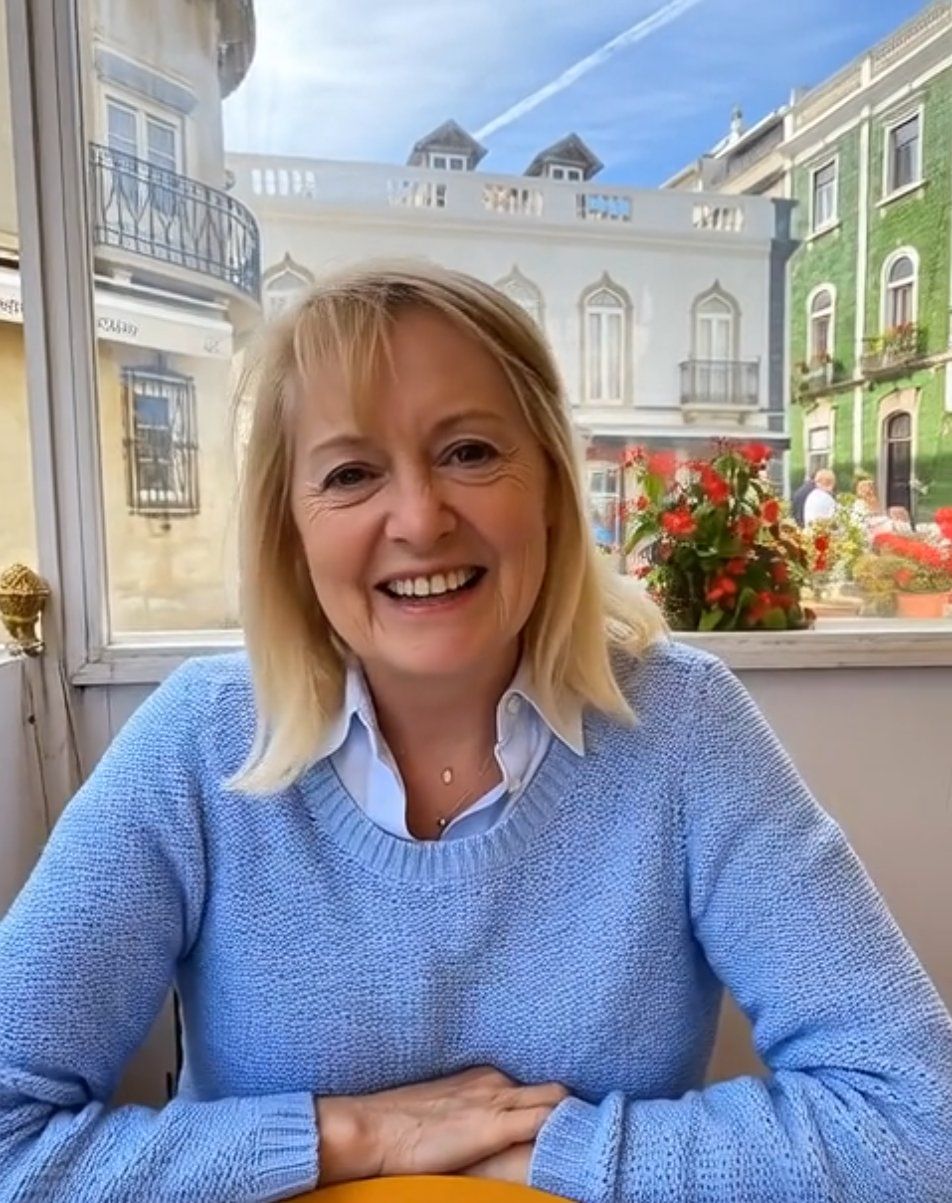
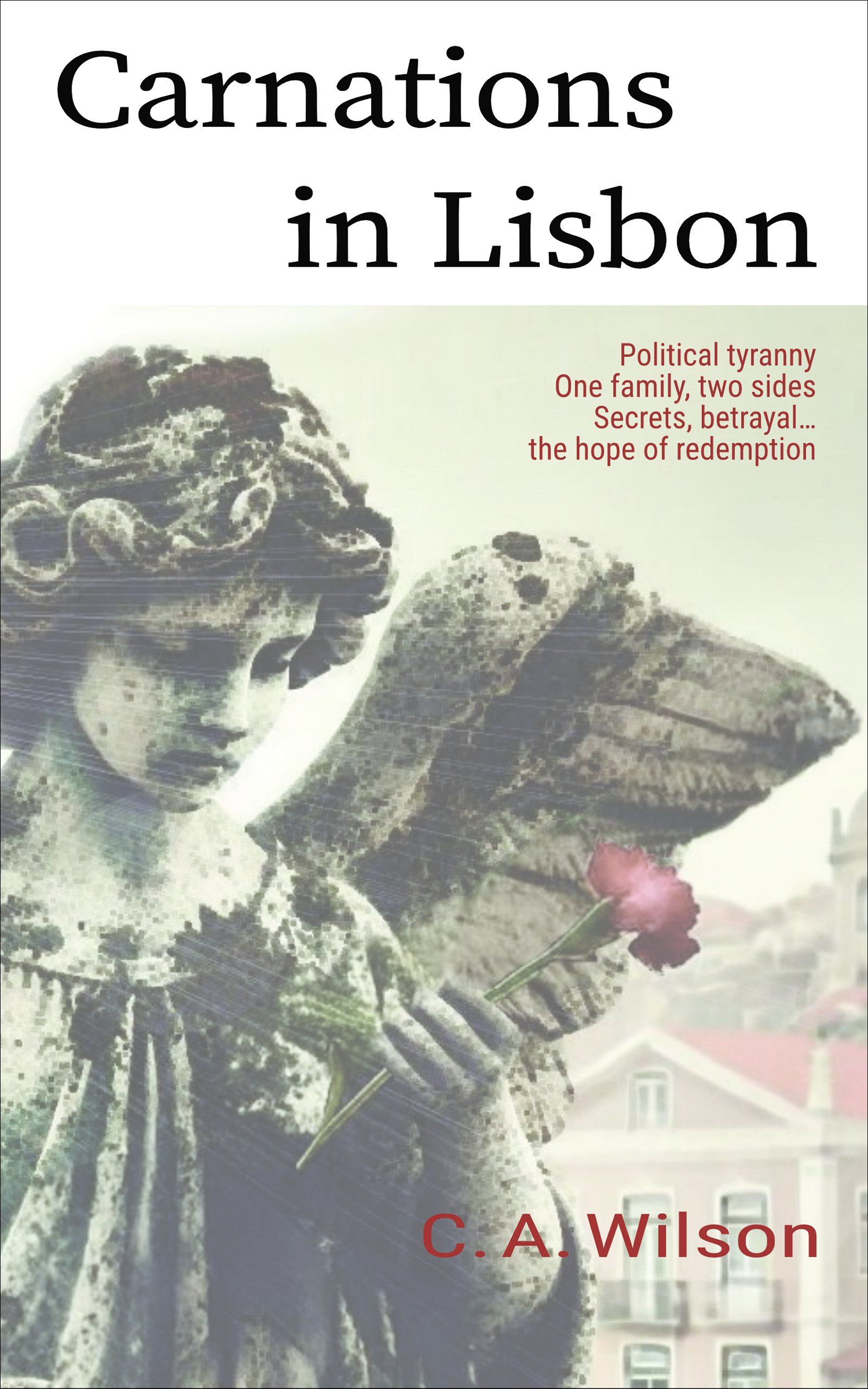
Carnations in Lisbon, as she puts it, is also a tribute to Portugal, a country she and her husband have grown very fond of, “We love Portugal. We love the people. I find a great depth and intelligence in them.” Portugal’s history is the backdrop of this novel, while personal stories are driving the narrative in this sharply woven book about love, resilience and redemption.